What is a private key?

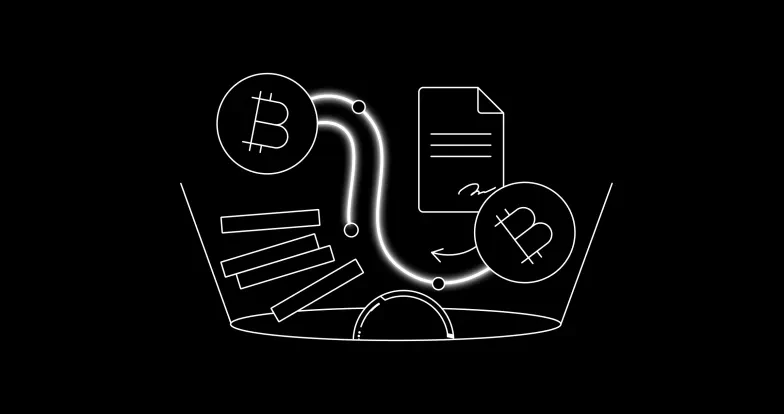
You may have heard the phrase “not your keys, not your coins” uttered in the cryptocurrency industry before. The keys being referred to here are private keys — a secret number used in cryptography — which may be used to verify ownership of an address on a blockchain, as well as sign transactions. 

In the simplest terms, private keys are like your cryptocurrencies’ passwords — and anyone in control over them may control your coins or tokens. Because of this, one must always keep their private keys as confidential as possible.

Private keys are commonly misconstrued as being equivalent to seed phrases, as access to either provides control over a crypto wallet. To learn more about seed phrases, click here!

How do private keys work?

Cryptocurrencies function on digital ledgers, or blockchains, on which exist addresses and keys. Public addresses allow anyone to deposit coins or tokens to said public address, but only via a unique private key may someone withdraw them. To draw an analogy, addresses are like locked mailboxes — which anyone may drop a letter into — while private keys are the keys to unlock said mailboxes.

Private keys are generally composed of alphanumeric characters and are so lengthy that it would make trying to guess one via brute force virtually impossible. However, users need not necessarily memorize their private keys, thanks to digital wallets — such as OKX Wallet — that may automatically create and store private keys safely. In this way, users may sign transactions without actually needing to know the long string of alphanumeric numbers.

Keeping private keys secure

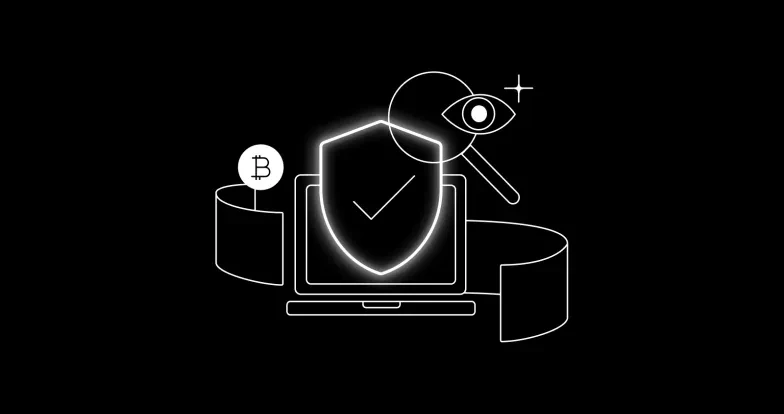
Bringing it back to the original “not your keys, not your coins” phrase, if you lose your private key, you may no longer have access to your crypto wallet. Worse yet, if someone else gains your private keys, you might as well assume your crypto is gone forever. Because of this, it is imperative that users store their private keys in secure and confidential locations.

Paper wallets — printouts of the private key and QR code — are a somewhat old-school way of storing private keys but are susceptible to being destroyed or stolen if improperly stored.

Hardware wallets are popular physical devices that generate and store private keys offline. These often use separate passwords to access the device, which creates a second layer of security in the event the device is stolen.

Wallets connected to the internet — such as desktop wallets, browser-based wallets, mobile wallets, etc. — are somewhat less secure than offline wallets, and require the user to be more aware of what links they are clicking on and what transactions they are signing. However, properly using an online wallet may also ensure your cryptocurrencies are safe.

Zřeknutí se odpovědnosti
Tento obsah je poskytován jen pro informativní účely a může se týkat produktů, které nejsou ve vašem regionu k dispozici. Jeho účelem není poskytovat (i) investiční poradenství nebo investiční doporučení, (ii) nabídku nebo výzvu k nákupu, prodeji či držbě kryptoměn / digitálních aktiv ani (iii) finanční, účetní, právní nebo daňové poradenství. Držba kryptoměn / digitálních aktiv včetně stablecoinů a NFT s sebou nese vysokou míru rizika, a tato aktiva mohou značně kolísat. Měli byste pečlivě zvážit, zda jsou pro vás obchodování či držba kryptoměn / digitálních aktiv s ohledem na vaši finanční situaci vhodné. Otázky týkající se vaší konkrétní situace prosím zkonzultujte se svým právním/daňovým/investičním poradcem. Informace (včetně případných tržních dat a statistických informací), které se zobrazují v tomto příspěvku, slouží výhradně k informativním účelům. Část obsahu může být generována nástroji umělé inteligence (AI) nebo s jejich asistencí. I když jsme přípravě těchto dat a grafů věnovali řádnou péči, nepřebíráme žádnou odpovědnost za případné faktické chyby, opomenutí nebo názory, které v nich vyjádřené. Službu OKX Web3 Peněženka a její pomocné služby neposkytuje burza OKX a vztahují se na ně tyto Podmínky poskytování služeb v ekosystému OKX Web3.

Související články

Zobrazit více
SUI explainer article learn banner

SUI explained: the future of asset ownership?

SUI is a permissionless Layer-1 blockchain that adopts a unique object-oriented data model and purpose-built programming language, Move, to support tr
11. 9. 2026
Středně pokročilý
MP Cover

How proof of reserves audits work: a comprehensive guide

As cryptocurrency continues to gain popularity, protecting the safety and security of customer funds is crucial. One way to achieve this is through Pr
11. 9. 2026
Liquidity pools and APY

What is AAVE: exploring the community-governed liquidity pool

Aave , formerly ETHLend, is a decentralized non-custodial borrowing and lending protocol that lets users deposit assets into liquidity pools to earn
11. 9. 2026
Středně pokročilý
trade-academy-beginner-4

The 9 best ASIC miners for mining cryptocurrency in 2024

Cryptocurrency mining is an essential process that secures and verifies transactions within a blockchain network. Miners use computational power to so
11. 9. 2026
PoR 21

51% Attack: What Is It and How Does It Work?

While blockchain technology is generally deemed safer than most traditional systems, it still has its risks. One of the biggest threats to the integri
10. 9. 2026
USDC CCTP X Layer Thumbnail

Native USDC & CCTP are Now Live on X Layer

X Layer, OKX's EVM-compatible Layer-2 blockchain, now supports native USDC , issued by regulated affiliates of Circle, one of the world's most truste
7. 8. 2026
Zobrazit více